De minimis non curat lex- In law and equity
The equitable maxim de minimis non curat lex, signifying that the law does not concern itself with trifles, serves as a cornerstone within Indian jurisprudence. By establishing that trivial or inconsequential infractions do not warrant the mobilization of formal judicial machinery, the Supreme Court of India has consistently deployed this doctrine to filter out frivolous […]
Scope of Writ Jurisdiction in Commercial Arbitration- Supreme Court clarifies
The intersection of commercial arbitration and state-level stamp duties continues to be a hotbed for litigation in Indian corporate law. In a significant development for alternative dispute resolution, the recent judgment in Tarini Prasad Mohanty versus Sunflag Iron and Steel Company Limited (2026 INSC )clarifies the exact limits of judicial intervention under Articles 226 and […]
Supreme Court on Indian Succession Act: Procedural gaps in Examination-in-Chief are not fatal to a Will
In a recent ruling clarifying the evidentiary standards for proving a Will, the Supreme Court of India in K.S. Dinachandran v. Shyla Joseph (2025 INSC 1451) held that material omissions in an examination in chief can be effectively cured during cross examination. The Bench noted that answers elicited through leading questions posed by an adverse […]
Summary Judgment in Commercial Suits: Supreme Court defines the scope of Order XIII-A CPC
In a milestone decision delivered on April 29, 2026, the Supreme Court of India clarified the strict procedural standards governing summary judgment under Order XIII-A of the Commercial Courts Act. As frequently reported by major financial outlets, this ruling emphasizes that commercial disputes require accelerated resolution mechanisms to maintain business efficiency. The Court explicitly observed […]
When AI creates, who gets the Credit?

A few years ago, the question was whether AI could create anything meaningful. In 2026, the question is far more uncomfortable. Who owns what your AI produces? The answer depends less on the technology and more on how the law sees creativity. India’s intellectual property framework, anchored in the Copyright Act, 1957 and the Patent […]
Why India needs a predictable Cross-Border Insolvency regime.
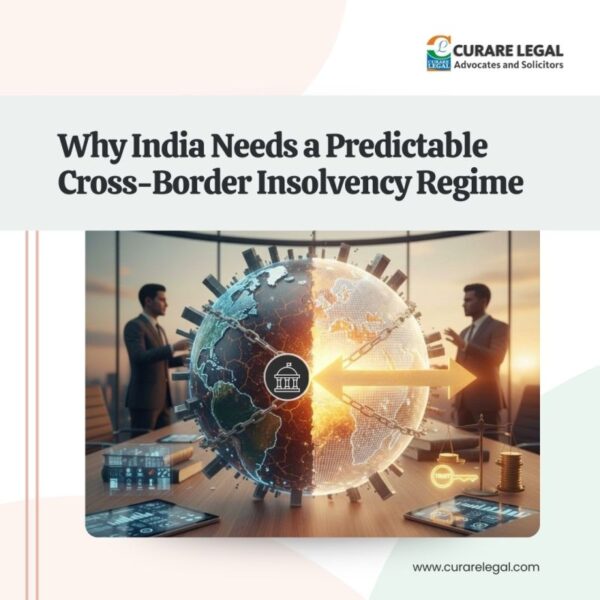
India is finally moving toward a formal framework for cross-border insolvency. The Insolvency and Bankruptcy Code (Amendment) Bill, 2025, expected in the second half of the Budget Session, in March, signals a shift from today’s ad-hoc, territorial approach to a universalist model aligned with global standards. The current system leaves multinational restructurings in uncertainty: • […]
Trademark vs. Copyright vs. Patent
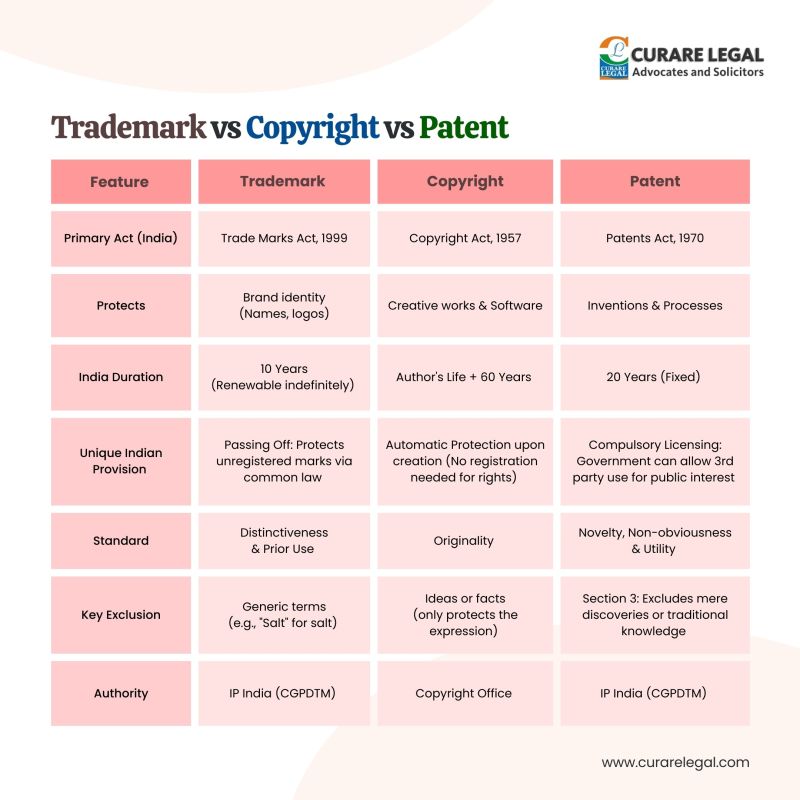
In a competitive market, IP is often a company’s most significant intangible asset. Failure to differentiate between the statutory protections afforded by Indian law can lead to irreversible loss of market exclusivity and brand equity. From the Trade Marks Act to the Patents Act, each framework serves a distinct strategic purpose in securing your commercial interests. Navigating […]
Arrival of generic Ozempic (semaglutide) in Canada.
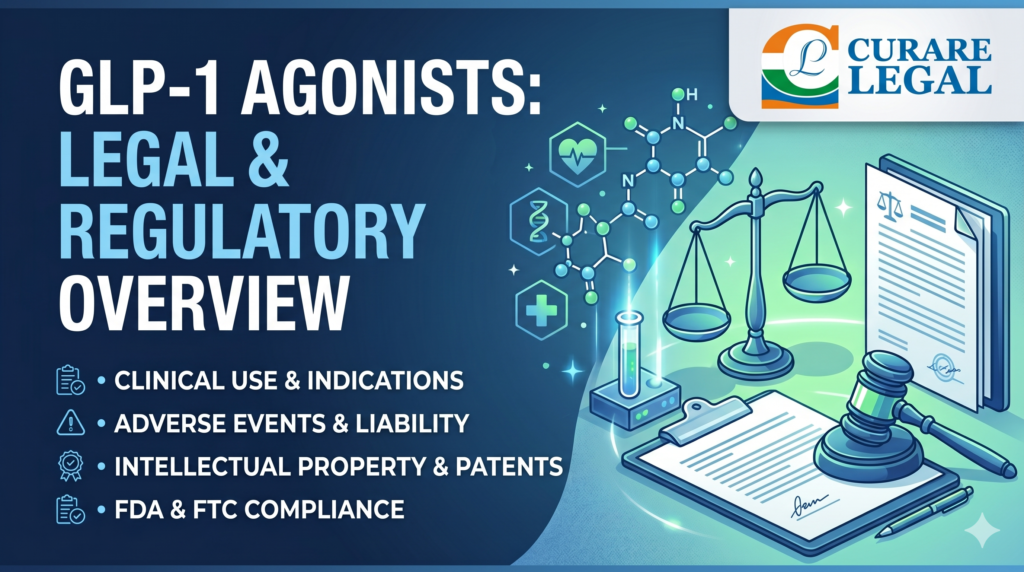
The arrival of generic Ozempic (semaglutide) in Canada, following Novo Nordisk’s failure to pay patent fees, is a signal of where the global healthcare and drug pricing landscape is headed. While exclusivity continues in the United States and Europe until the early 2030s, what makes this moment significant is that it offers the world a […]
Trademark Disputes rising in India: What Businesses must know.

The escalating volume of trademark litigation in India signifies a critical shift in the country’s intellectual property (IP) enforcement landscape. As of 2026, the Indian judiciary and the Ministry of Commerce and Industry have introduced reforms that demand greater vigilance from businesses. For corporations and emerging enterprises, the following developments are now central to brand […]
IBC: Unlocking Personal Assets? The promoters dilemma.
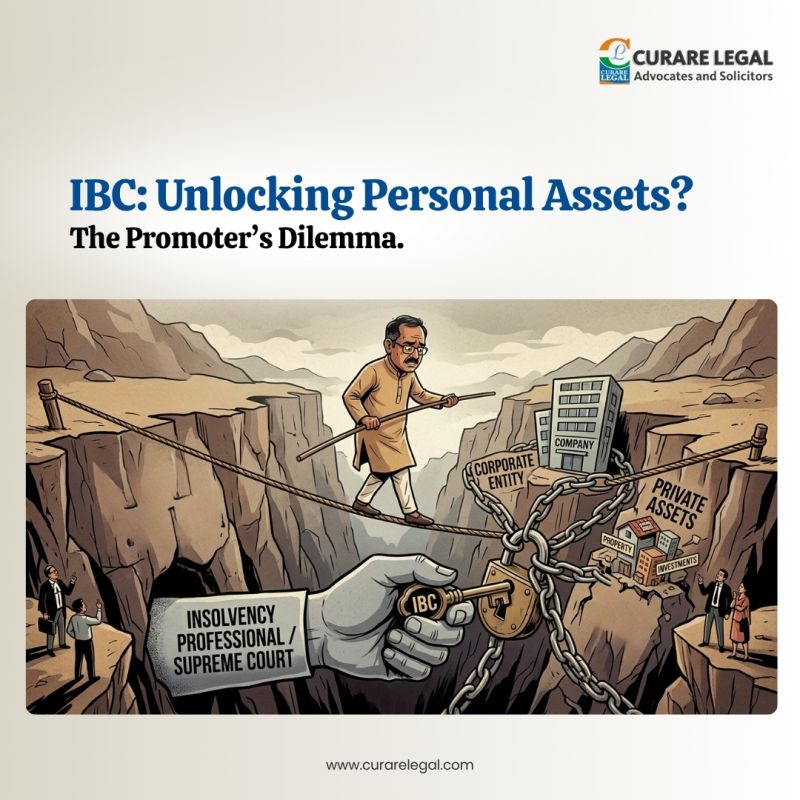
For years, many Indian promoters viewed the “corporate veil” as a tough topic. A personal guarantee was just a standard “box to check” to get bank loans approved. But if you are a founder or an HNI, it is time to realize the legal ground has shifted dramatically. Since the Supreme Court ruling in Lalit […]